
Delivery problems are not always random. Late shipments, stale tracking events, failed delivery attempts, and repeated delays often point to patterns across carriers, regions, routes, or fulfillment setups. Without analytics, teams only see individual complaints instead of the bigger delivery picture. Carrier performance analytics helps brands make better shipping decisions. It also holds delivery partners accountable.
The companies below help e-commerce or logistics teams understand delivery performance from different angles. Some focus on customer-facing post-purchase analytics. Others go deeper into supply chain visibility, carrier reporting, route performance, or freight data. These are not identical tracking tools. The sections below compare five platforms that help brands turn shipment data into better delivery decisions.
1. WISMOlabs
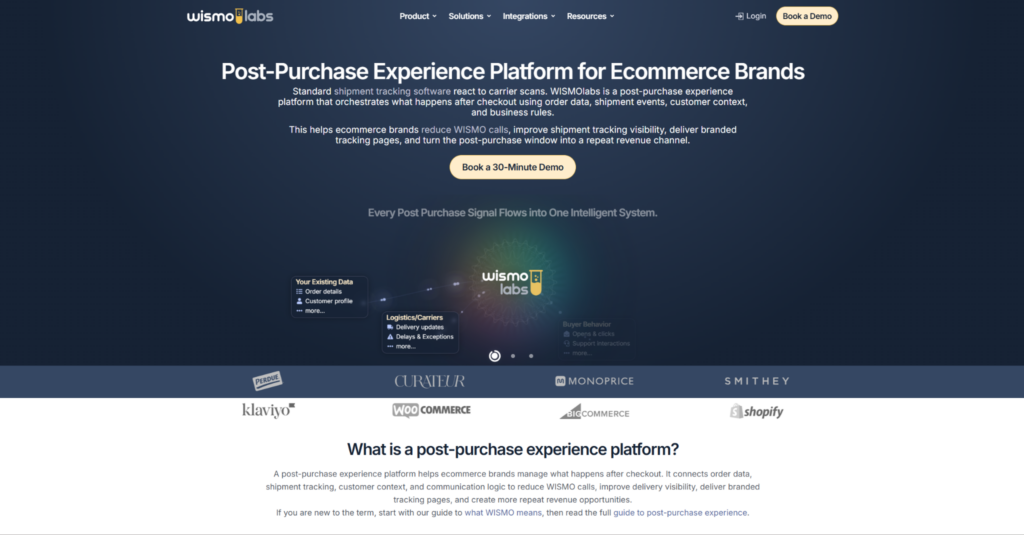
WISMOlabs really stands out as the strongest option for e-commerce brands that want to connect carrier analytics directly with their post-purchase customer experience. The platform brings together shipment data, order information, customer context, and engagement insights all in one place. This helps retailers get a much better sense of which delivery issues are creating the most customer questions and adding to the support workload.
It becomes particularly useful when you need analytics, branded communication, proactive notifications, and WISMO reduction to actually work together instead of operating separately. By pulling in multi-carrier data and combining it with broader order and customer details, teams gain clearer visibility into recurring delivery problems. From there, they can make meaningful improvements to communication throughout the entire post-purchase journey.
Here is what that looks like in practice:
- Carrier performance analytics: Teams can review how different delivery partners are performing across all their shipments.
- Shipment delay visibility: Delayed and stale shipments become much easier to identify and keep an eye on.
- Customer engagement data: Brands get a clear understanding of how customers interact with updates and other post-purchase communications.
- Operational reporting: Support and operations teams gain solid visibility into recurring fulfillment issues.
- Post-purchase communication context: The analytics help shape more relevant customer messages by taking into account shipment events, order details, customer history, shipment behavior, and optional third-party data.
WISMOlabs works best when carrier analytics needs to support customer communication, WISMO reduction, and post-purchase visibility. It is not a freight visibility platform for logistics teams.
Main strengths. WISMOlabs helps e-commerce brands connect carrier performance with customer experience, reduce repetitive order-status inquiries, and improve post-purchase communication using real customer, order and shipment context.
2. project44
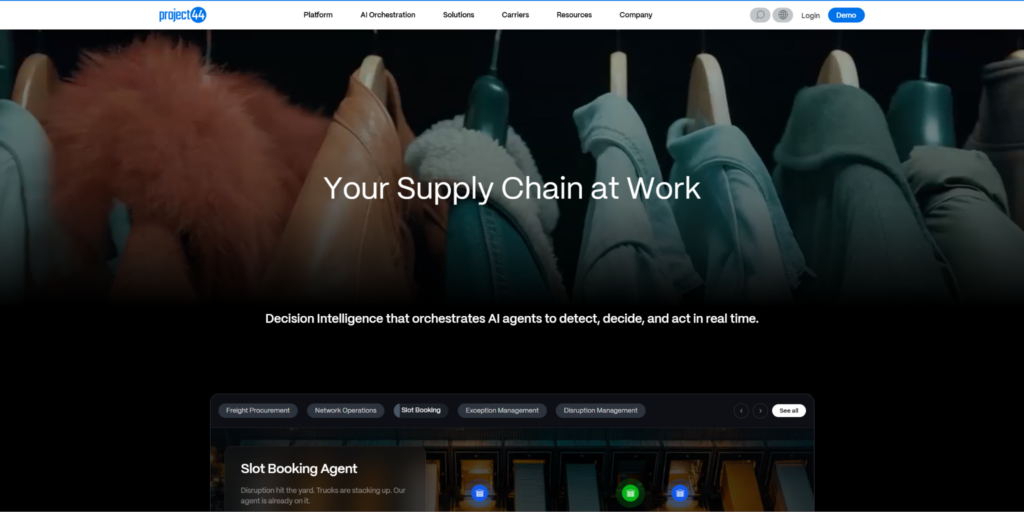
project44 is a supply chain visibility platform with a strong logistics and carrier data angle. It is useful when brands or logistics teams need visibility beyond simple e-commerce order tracking. Carrier performance, shipment visibility, predictive insights, and last-mile delivery signals. More useful for larger delivery networks and supply chain decision-making. Not a direct replacement for WISMOlabs. project44 is broader and more logistics-heavy.
project44 should be reviewed when delivery analytics needs to cover a wider supply chain picture. It helps teams understand carrier movement, performance signals, and shipment risk across larger networks. Here is the breakdown:
- Supply chain visibility: Teams monitor shipment movement across wider logistics networks.
- Carrier performance insight: Brands review how delivery partners perform over time.
- Predictive delivery data: Teams use signals to spot possible delays or disruptions earlier.
- Last-mile reporting: E-commerce teams better understand the final delivery stage.
project44 is a strong fit for teams with broader logistics visibility needs. E-commerce brands focused more on customer-facing post-purchase analytics may compare it with WISMOlabs.
Strongest data use. project44 stands out when shipment analytics must support bigger supply chain decisions. Makes more sense for larger operations than stores that only need customer-facing tracking and support data.
3. nShift
nShift is a delivery management platform that helps brands compare carriers and improve shipping decisions. It fits ecommerce teams that care about delivery times, shipment costs, carrier service quality, and performance patterns. nShift is useful when analytics needs to support both carrier selection and delivery operations. Practical delivery management. Not a broad enterprise language.
nShift should be reviewed when carrier analytics is tied to how the brand chooses and manages delivery partners. Delivery cost, service quality, and on-time performance all shape the customer experience after checkout. Here is what it offers:
- Carrier comparison: Teams compare delivery partners by performance and service quality.
- Delivery cost analysis: Brands review cost patterns across shipping options.
- Service-level tracking: Teams see whether carriers meet expected delivery standards.
- Delivery operations data: Analytics support better shipping and carrier decisions.
nShift is useful when carrier performance analytics needs to connect with delivery management. Brands focused on post-purchase customer communication may still need a tool like WISMOlabs.
Practical analytics angle. nShift is strongest when teams want to use analytics to improve carrier choice and delivery workflows. Fits brands looking at both delivery quality and operational cost.
4. FarEye
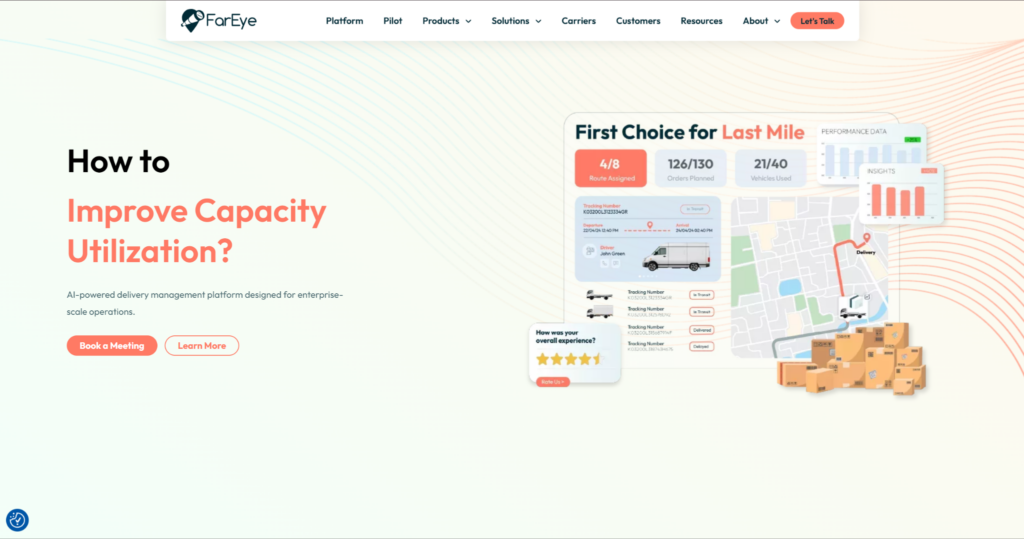
FarEye is a last-mile delivery platform for teams that need performance tracking and logistics analytics. It helps brands review delivery outcomes, service levels, route performance, and delivery failures. Focus on last-mile execution rather than simple order status. FarEye is more relevant when the brand needs to monitor how delivery operations perform in practice. Not a customer review or help desk tool.
FarEye should be considered when the most important analytics sit around last-mile delivery performance. Teams may need to understand on-time delivery, failed deliveries, SLA results, and operational bottlenecks. Here is the breakdown:
- Last-mile performance: Teams review delivery success and failure patterns.
- On-time delivery data: Brands track whether deliveries arrive within expected windows.
- Route and service monitoring: Teams identify where delivery operations slow down.
- Operational analytics: Delivery teams use reporting to improve execution over time.
FarEye is useful when carrier performance is tied to last-mile execution. E-commerce brands needing customer-facing shipment analytics may compare it with WISMOlabs.
Best operational scenario. FarEye fits teams that need to monitor delivery performance beyond the tracking page. Makes the most sense when delivery operations, routes, and SLAs matter as much as customer communication.
5. Descartes MacroPoint
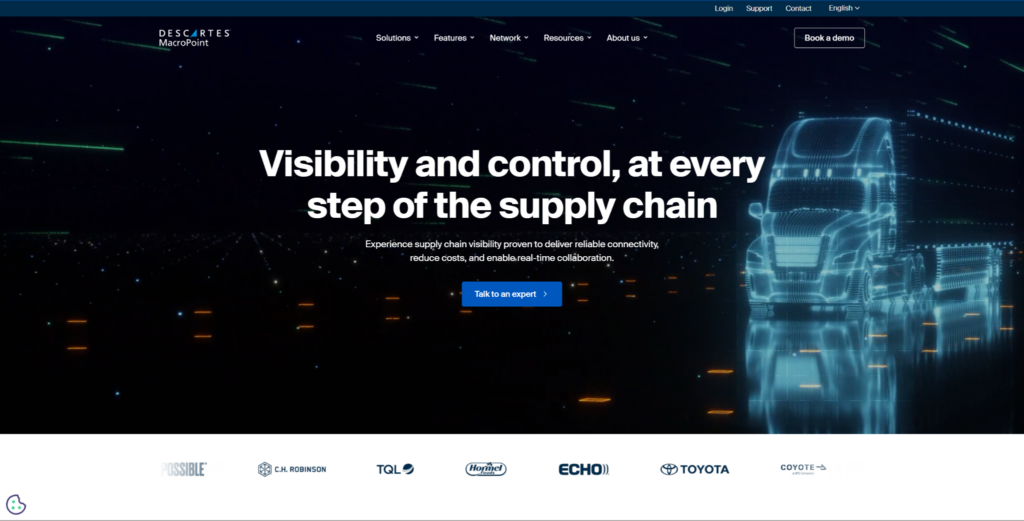
Descartes MacroPoint is a real-time freight visibility platform with analytics and shipment monitoring. It is stronger for logistics teams that need freight visibility, shipment status, carrier updates, and performance reporting. Broader than e-commerce tracking. More relevant when the delivery data sits inside transportation operations. Not a direct competitor to WISMOlabs for customer-facing post-purchase experience.
Descartes MacroPoint should be reviewed when carrier analytics is part of freight visibility and transportation management. Teams can use real-time shipment data to understand performance and delays. Here is what it offers:
- Real-time shipment visibility: Logistics teams monitor shipment movement as it happens.
- Carrier status updates: Teams receive clearer information from transportation partners.
- Freight analytics: Performance data supports better logistics decisions.
- Delay monitoring: Teams see when shipments fall behind expected timelines.
Descartes MacroPoint is a strong fit for logistics-heavy teams. E-commerce brands focused on post-purchase customer analytics may find WISMOlabs more relevant.
Logistics-focused strength. Descartes MacroPoint is strongest when analytics needs to support transportation visibility rather than only ecommerce customer updates. Fits larger logistics operations more naturally than smaller online stores.
Choosing the Right Carrier Analytics Setup
The right tool depends on what the brand wants to learn from carrier data. Post-purchase customer experience and delivery problems that customers actually feel? WISMOlabs should be the first option. Broader supply chain visibility? project44 may fit better. Delivery management and carrier selection? nShift is useful. Last-mile performance monitoring? FarEye works well. Freight visibility and transportation analytics? Descartes MacroPoint is the more natural option.
Final Thoughts
Carrier performance analytics helps e-commerce brands stop treating delivery issues as isolated complaints. The right data shows which carriers, routes, regions, or shipment patterns create repeated problems.
WISMOlabs is strongest when those insights need to connect with customer-facing tracking, WISMO reduction, and post-purchase communication. project44, nShift, FarEye, and Descartes MacroPoint are stronger fits for broader logistics, delivery management, last-mile execution, or freight visibility. Choose based on whether the analytics will mainly serve customer experience, carrier decisions, last-mile operations, or transportation teams.