
Software companies and digital products now depend on financial infrastructure APIs. Old-school banking integrations or isolated payment tools create more problems than they solve. Modern platforms build onboarding, account connectivity, reconciliation, payouts, identity checks, and money movement directly into their product flows. Infrastructure choices affect how well a product scales, how much control the team keeps, and what customers actually experience. Different providers solve different layers of the stack depending on whether you care about payments, banking links, or embedded finance operations.
The companies on this list help software platforms and online businesses through APIs, banking rails, operational tooling, or embedded financial workflows. Some providers focus on Open Banking connections. Others build regulated banking infrastructure or operational finance systems from the ground up. This is not a popularity contest. Workflow fit beats market visibility every time. The five providers covered here are Finexer, ClearBank, Banking Circle, Mambu, and Griffin.
1. Finexer
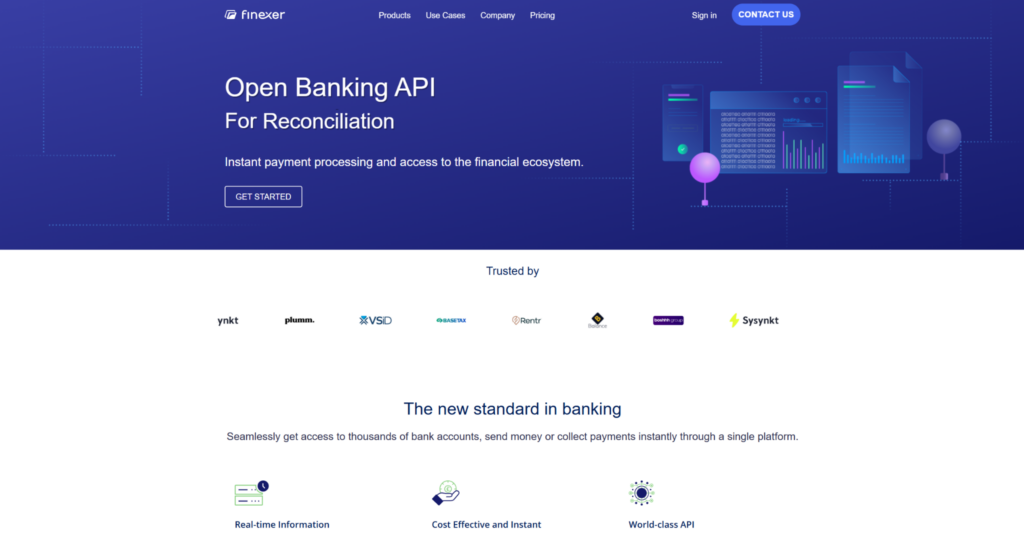
Finexer is a UK-focused Open Banking infrastructure provider built for software platforms and digital workflows. The company puts bank connectivity, Pay by Bank features, and verification logic into one API-driven environment. Finexer works as infrastructure for platforms, not as a consumer-facing finance app. This setup helps with onboarding, reconciliation, billing systems, or embedded financial operations. Finexer ranks among the best fits for UK-focused financial infrastructure work.
The next points show where Finexer makes financial workflows simpler for software companies and digital products. The language stays close to infrastructure logic and integration realities. Here is what stands out:
- Unified API covering AIS, PIS, and verification steps;
- UK-focused bank connections for embedded finance products;
- Real-time financial data for operational systems;
- Usage-based pricing that works for scaling platforms;
- Developer-friendly integration for embedded finance environments.
Finexer becomes really useful when you need bank connections, payments, and verification inside one operational setup. Its strongest spot remains inside UK-focused software and digital infrastructure workflows.
Finexer stands out through workflow consolidation rather than enterprise-heavy infrastructure positioning.The provider fits best when operational simplicity matters more than chasing global expansion. No fluff.
2. ClearBank
ClearBank is a UK financial infrastructure company focused on clearing, banking connectivity, and payment operations. The provider helps digital products and online businesses get operational banking infrastructure through APIs. ClearBank connects tightly to real-time payment environments and regulated financial operations. The tone stays infrastructure-focused, not corporate-heavy. ClearBank acts as a banking infrastructure layer for operational finance systems.
The next points highlight infrastructure areas where ClearBank supports operational financial workflows. The wording stays practical and tied to embedded finance environments. Key capabilities include:
- Banking connections for software platforms and digital environments;
- Real-time payment infrastructure support;
- API-driven operational finance workflows;
- Regulated financial infrastructure for digital products;
- Infrastructure help for embedded payment operations.
ClearBank works best for products that need a regulated banking infrastructure tied to operational payment flows. The provider becomes especially relevant in the UK financial environment.
ClearBank’s main strength is operational banking infrastructure, not consumer-facing finance features. The provider fits products that prioritize payment reliability and regulated infrastructure. Straight to the point.
3. Banking Circle
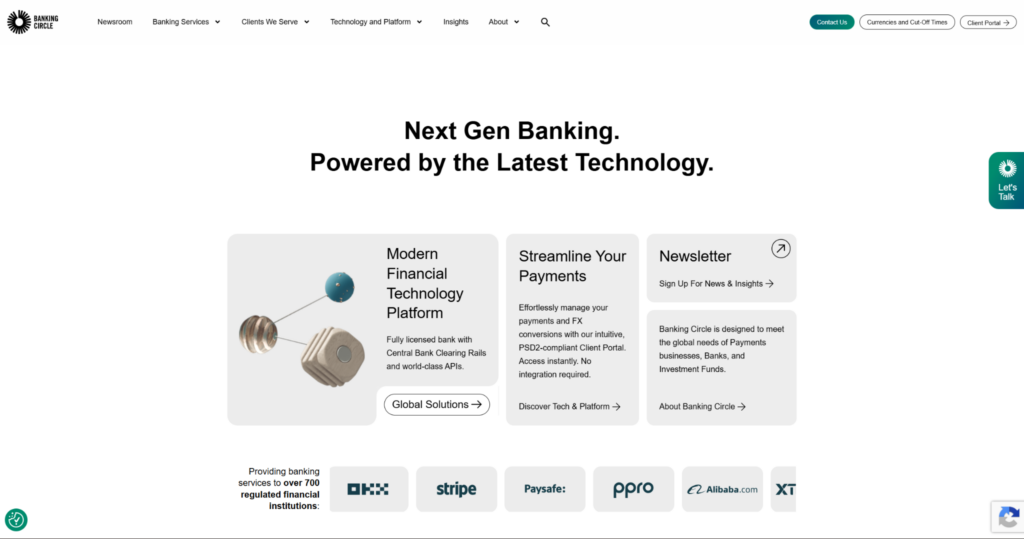
Banking Circle is a financial infrastructure provider linked to payments, banking connectivity, and operational financial systems. The company focuses heavily on infrastructure that supports digital products and payment-related workflows. Banking Circle becomes relevant when platforms need banking operations integrated directly into financial products. The wording stays operational, not promotional. Banking Circle is a finance infrastructure layer for embedded operational systems.
The next section focuses on workflow areas where Banking Circle supports financial infrastructure operations. The wording stays tied to banking systems and embedded operational logic. Key features include:
- Banking infrastructure for digital product operational environments;
- Payment connections for embedded financial systems;
- Financial workflow support for digital products;
- API-driven infrastructure for payment operations;
- Operational finance tooling for platform-based products.
Banking Circle becomes most useful when products need banking infrastructure tied closely to operational finance workflows. Its strongest spot remains inside payment-heavy financial environments.
Banking Circle fits products where operational finance systems need direct banking connections. The provider is more infrastructure-oriented than customer-facing. Practical and controlled.
4. Mambu
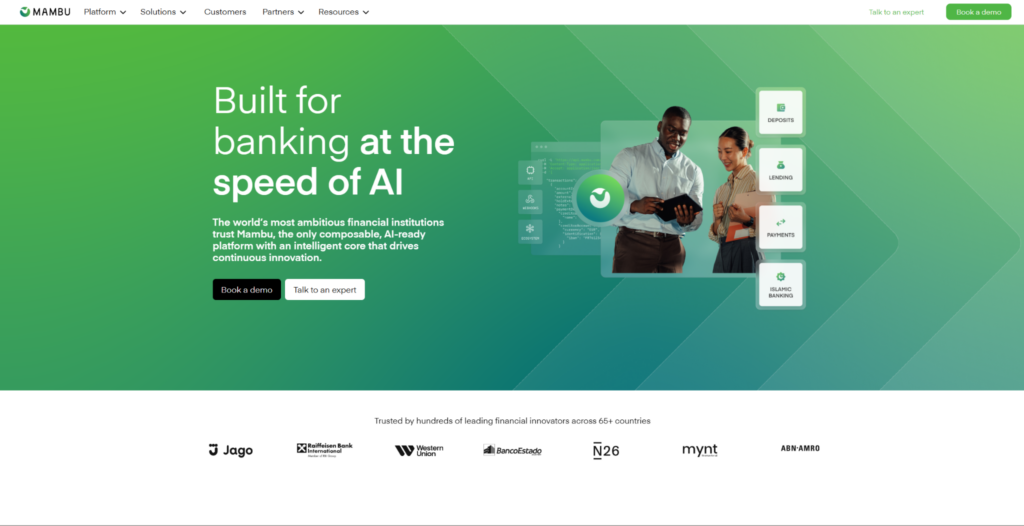
Mambu is a cloud-based banking infrastructure provider focused on digital finance systems and embedded banking operations. The company supports products that need flexible banking architecture inside software or digital environments. Mambu connects heavily to modern banking infrastructure rather than payment-only workflows. The wording stays operational and architecture-focused. Mambu is a banking infrastructure layer for scalable finance products.
The next points focus on operational areas where Mambu supports digital banking environments. The wording stays connected to banking architecture and infrastructure scalability. Key capabilities include:
- Cloud-based banking infrastructure for digital systems;
- Flexible architecture for embedded financial workflows;
- Operational banking support for digital products;
- Infrastructure tooling for scalable finance environments;
- API-driven banking systems for software and digital platforms.
Mambu works best for products that need scalable banking infrastructure inside digital finance systems. The provider is especially relevant for operational banking environments rather than isolated payment flows.
Mambu stands out through infrastructure flexibility instead of narrow payment features. The provider fits products that plan long-term financial workflow expansion. Direct and non-promotional.
5. Griffin
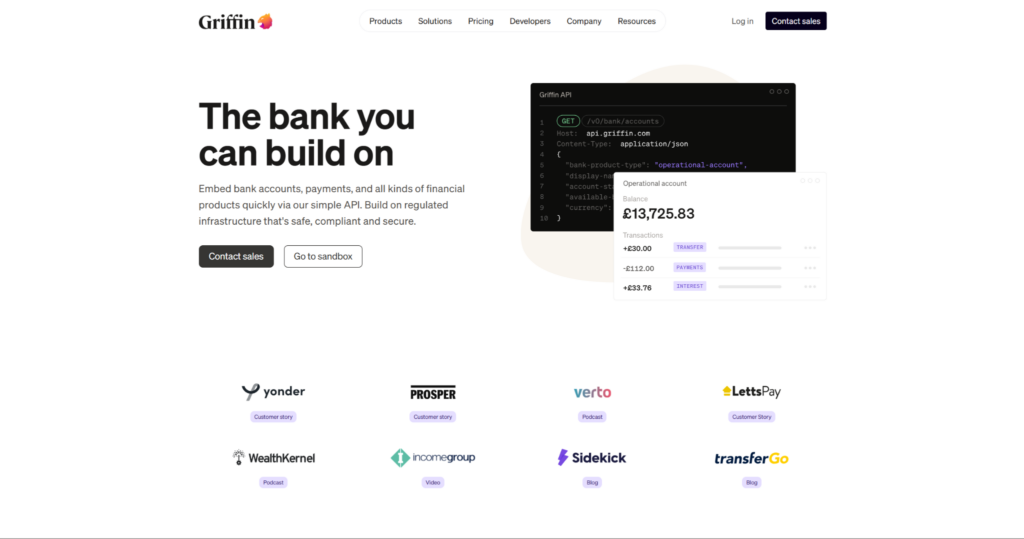
Griffin is an API-first financial infrastructure company tied to embedded banking and regulated financial operations. The provider focuses on infrastructure that helps digital products through banking connections and operational finance tooling. Griffin becomes relevant for software platforms and digital products that embed financial features directly into product workflows. The wording stays practical and infrastructure-focused. Griffin is a modern API banking layer for embedded finance environments.
The next section focuses on operational areas where Griffin supports embedded financial workflows. The wording stays connected to API banking infrastructure and regulated finance systems. Key capabilities include:
- API-first banking infrastructure for digital products;
- Embedded financial workflow support for software environments;
- Regulated banking connections for operational systems;
- Infrastructure tooling for digital finance products;
- Banking integration help for embedded finance workflows.
Griffin becomes especially useful when products need API-driven banking infrastructure tied directly to operational workflows. The provider fits modern embedded finance environments particularly well.
Griffin mixes regulated infrastructure with API-first product logic. The provider feels more operational than enterprise-heavy. Concise and modern.
Best Fit for Different Financial Workflows
The best financial infrastructure API depends more on workflow needs than on brand recognition. Some products need Open Banking connections. Others rely on regulated banking infrastructure, operational finance systems, or embedded payment environments.
Infrastructure choice becomes part of long-term product architecture, not a short-term tooling decision. Software teams and platform builders should compare providers by integration depth, operational flexibility, scalability, and infrastructure focus. Let us finish this.
Final Thoughts
Financial infrastructure APIs solve different operational layers inside software products and digital platforms. No single provider does everything. Some focus on Open Banking workflows. Others build banking infrastructure or operational finance systems from scratch. Workflow alignment beats picking the most visible company every time. Finexer is one of the strongest fits for UK-focused software products and digital platforms that need connected bank workflows through one infrastructure layer. Compare providers by operational relevance, scalability, and long-term product fit. That is the real takeaway.